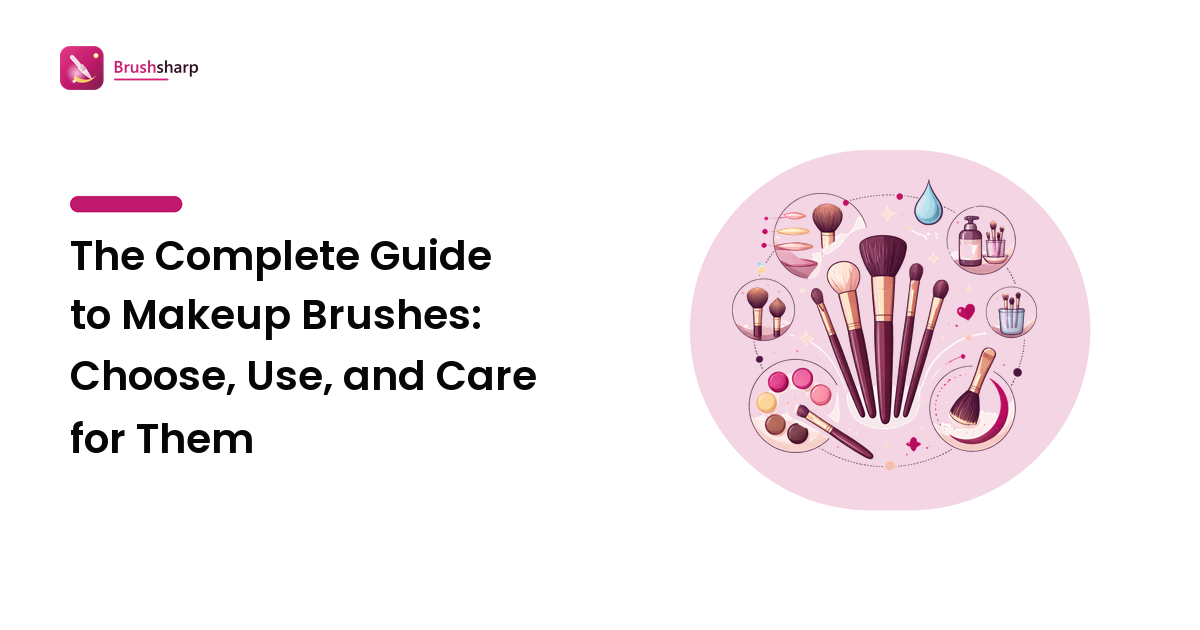
A makeup counter will happily sell you a 24-piece brush roll, and most of those brushes will never touch your face. A kit of genuinely essential makeup brushes is far shorter than the marketing suggests — a handful of well-chosen tools covers almost every everyday look, and the rest are specialists you buy only when a look asks for one.
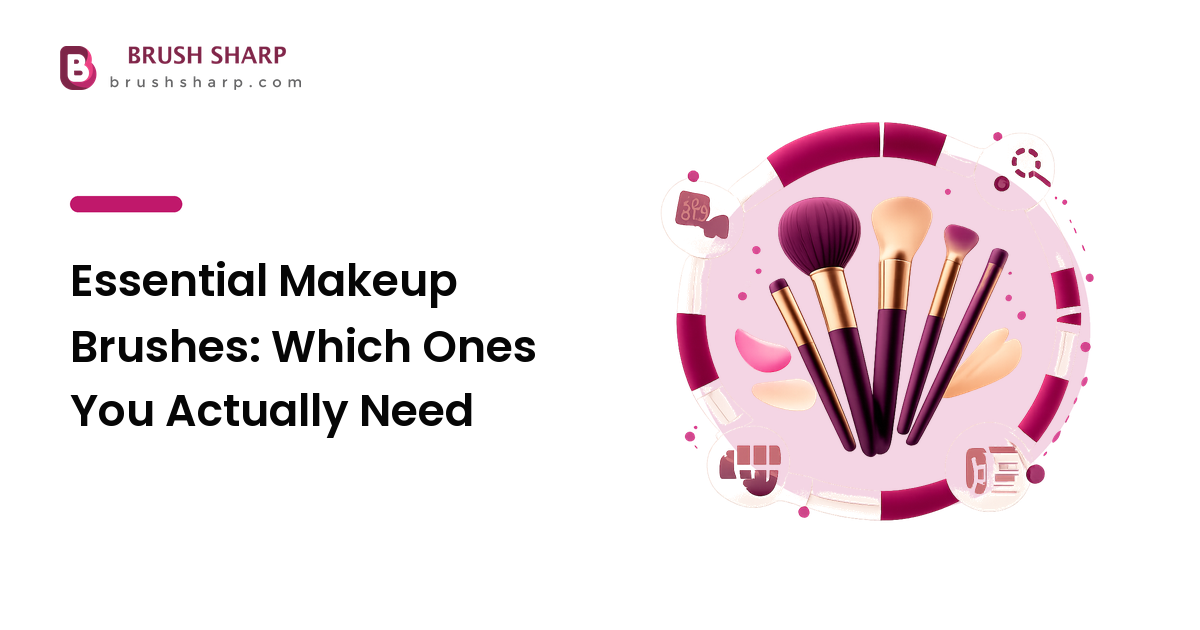
The takeaway up front: buy makeup brushes by the job they do, not by the size of the set. Five or six brushes — one for base, one for setting powder, one for cheeks, one flat eye brush, one fluffy blending brush, and a spoolie — will take a beginner from bare skin to a finished face. Below is exactly which brushes earn a place, what to look for in each, and which ones you can safely skip.
How to think about a makeup brush kit
Before the list, three principles that save money:
- Sort by function, not by name. Brands invent names, but every brush does one of a few jobs: place product, buff it in, or blend an edge. Name the job and you stop buying duplicates that do the same thing.
- Match the brush to the product's texture. Dense, firm brushes press pigment — great for liquids, creams, and packing eyeshadow. Loose, fluffy brushes diffuse and blend — great for powder and softening edges. Most kit mistakes are a fluffy brush asked to do a dense brush's job, or the reverse.
- Fewer, better beats more, cheaper. A cheap brush that sheds into your foundation or drops bristles on your lids frustrates you daily. You don't need luxury, but a shedding bargain brush is a false economy.
The face brushes you actually need
Faces need three jobs covered: apply base, set with powder, and add color to the cheeks.
1. A base brush (foundation or buffing brush). This applies and blends liquid or cream foundation. Look for a dense, synthetic brush — a flat-topped "buffing" brush or a rounded dome. Density buffs product into an even, streak-free layer; synthetic filaments matter because they don't drink up liquid like natural hair, so more foundation lands on your skin and the brush washes clean. It also doubles for cream blush and contour.
2. A powder brush. A large, soft, fluffy brush for pressing or dusting setting powder over the base so it lasts. The job is diffusion, so you want a full, soft head that lays powder evenly without dragging your foundation around — it also sweeps bronzer across the high points of the face. Here a soft natural or a good synthetic both work well.
3. A cheek brush (blush or contour). A medium brush, smaller and more tapered than the powder brush, to place blush or powder contour precisely on the cheeks. An angled one follows the cheekbone naturally; a small rounded one gives a soft, diffused flush — pick the shape that matches how much control you want. A powder brush can stand in at first, but a dedicated cheek brush is a worthwhile early upgrade.
The eye brushes you actually need
Eyes are where kits balloon to a dozen brushes. You need two, and everything else is a refinement.
1. A flat shader (packing) brush. A short, flat, fairly dense brush that presses eyeshadow onto the lid with the color intact. Pressing — not sweeping — is how you get pigment to show up, and a flat shader is built for it. This is your eye workhorse.
2. A fluffy blending brush. A soft, tapered brush that lives in the crease and erases hard edges between shades. If you buy one eye brush, buy this: an unblended edge is the single most common thing that makes eyeshadow look unfinished, and nothing fixes it like a clean, soft blending brush worked in small circles. Because it does the most visible work, this is the brush worth spending a little more on for softness and shape retention.
3. A spoolie. The little mascara-wand-shaped brush. It costs almost nothing, grooms brows, and breaks up mascara clumps — an essential that happens to be cheap. Many brow products include one, so you may already own it.
Optional additions, roughly in the order people want them: a small detail or pencil brush for smudging liner or the inner corner, an angled brush for brow powder or a sharper line, and a flat definer for a wash of one shade. Add these only when a look you wear needs them.
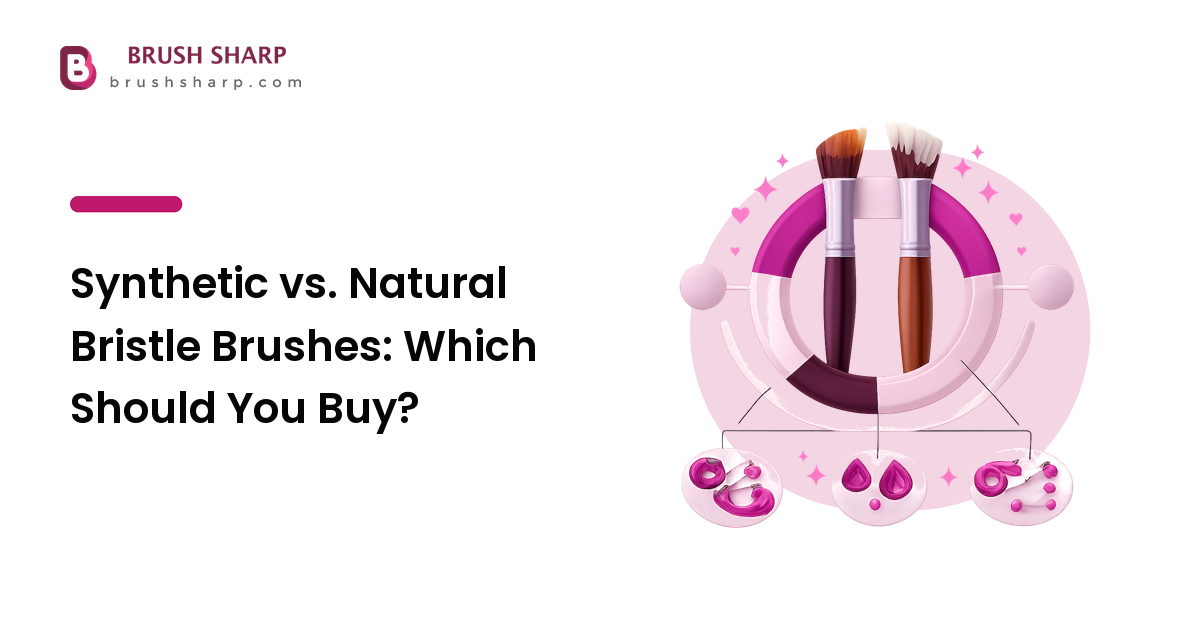
Synthetic or natural? What to choose for makeup
For a modern kit, synthetic is the sensible default — for most people it's the only bristle they need. Non-porous filaments don't absorb liquid, so they're the clear choice for foundation, concealer, and any cream product: more pigment reaches your skin and the brush rinses clean. They're also easier to keep hygienic and are cruelty-free.
Natural hair still has a niche: the cuticle texture of goat or squirrel diffuses loose powder softly, which is why some people prefer a natural powder or blush brush. But premium synthetics now do this convincingly, so it's a preference, not a requirement. If you're weighing the trade-offs across your kit, our guide to synthetic vs. natural bristle brushes breaks down which performs better for each job and why.
Brushes you can probably skip (at first)
The fastest way to a cheaper, better kit is knowing what not to buy:
- Giant multi-piece sets. They pad the count with near-identical eye brushes and novelty shapes — you pay for pieces you won't use and often get thinner, shed-prone bristles.
- The fan brush. Elegant, rarely essential — a specialist for highlighter or sweeping away eyeshadow fallout. Skip it until you specifically want that effect.
- Single-purpose novelty brushes. Brushes sold for one step you could do with a brush you already own. If a brush duplicates a job on this list, you don't need it.
- Lip and concealer brushes, early on. A clean fingertip applies concealer and lip color well when you're starting out; add these only if you later want extra precision.
Two honest alternatives, too: a damp makeup sponge applies foundation beautifully (many prefer it), and clean fingertips are hard to beat for cream products. A "complete" kit doesn't have to be all brushes.
Your essential makeup brush checklist
Here's the whole thing at a glance — the core kit first, then what to grow into.
| Brush | Its job | What to look for |
|---|---|---|
| Base / buffing brush | Apply and blend foundation | Dense, synthetic, flat-top or domed |
| Powder brush | Set base, dust bronzer | Large, soft, full head |
| Cheek brush | Blush or powder contour | Medium, tapered or angled |
| Flat shader | Pack shadow onto the lid | Short, flat, dense |
| Blending brush | Soften the crease and edges | Soft, tapered, fluffy |
| Spoolie | Groom brows, de-clump mascara | Firm, closely spaced bristles |
Grow into these as needed: an angled brow or liner brush, a small detail or smudge brush, a fan brush, and a concealer brush. Take the core list shopping: if a brush doesn't do a job on it, it can wait.
How much should you spend?
You don't need a luxury kit to get good results, and price is a poor guide to whether a brush suits your face. A practical way to budget:
- Spend a little more on the two brushes that do the most visible work: your base/buffing brush and your fluffy eye blending brush. Softness and shape retention here genuinely change the result and how the brush ages.
- Save on the rest — a mid-range synthetic cheek or shader brush performs well for years with basic care.
- Judge quality by the brush, not the label. Good signs: bristles that spring back instead of staying bent, a tip that stays neat when wet, a snug ferrule (the metal band) with no loose hairs, and no shedding when you tug gently. Cheap tells: a plasticky feel, splayed tips, and bristles left behind on your skin.
Whatever you spend, brushes only stay good if you clean them — even the best turns scratchy and unhygienic with caked-in product. A regular wash in lukewarm water with a mild soap, dried bristles-down so water never sits in the ferrule, is all it takes.
FAQ
What makeup brushes does a beginner actually need?
Six cover almost everything: a dense synthetic base brush, a soft powder brush, a cheek brush for blush or contour, a flat shader for packing eyeshadow, a fluffy blending brush for the crease, and a spoolie for brows. Add specialists only when a look calls for one.
Are synthetic or natural bristles better for makeup?
Synthetic is the better default: non-absorbent (ideal for liquid and cream products), easier to keep hygienic, and cruelty-free. Natural hair diffuses loose powder softly, but good synthetics now do that too, so it comes down to preference rather than need.
Do I need a foundation brush, or is a sponge enough?
Either works — it's about finish. A dense brush buffs foundation into even, slightly fuller coverage; a damp sponge gives a sheerer, more skin-like finish. Plenty of people own both, but you only need one to start.
How many makeup brushes do I really need?
Far fewer than most sets contain. A five- or six-brush core handles daily makeup; large kits mostly add duplicates and novelty shapes. Build the core first, then expand one brush at a time as your looks demand.
What should I look for when buying a makeup brush?
Bristles that spring back and don't shed when tugged, a tip that holds its shape when wet, a snug ferrule with no loose hairs, and a density that matches the job — dense for placing product, fluffy for blending. Feel and construction matter more than price or piece count.
Next step
You don't need the 24-piece roll — just the six brushes that each do a job, chosen for feel and construction over piece count. Start with the core kit, learn what every brush does, and add a specialist only when a look you actually wear asks for it. For more honest, vendor-neutral brush guidance — for makeup, paint, and art brushes alike — visit brushsharp.com.