The brush matters more than most people expect. The same can of paint can leave a smooth, even coat or a streaky, bristle-marked mess depending on whether you picked the right brush and used it well. The good news is that the rules are simple and concrete: match the bristle to your paint, pick a shape that suits the surface, and use a light, deliberate technique. Get those three right and even a beginner can lay down a finish that looks like a pro did it.
The short version: use a synthetic brush for water-based paint and a natural-bristle brush for oil-based, choose an angled sash brush as your all-rounder, and load lightly then "lay off" in one direction. This guide covers how to choose a brush, what the parts do, and the technique that actually produces a clean finish.
The parts of a brush (and why they matter)
Knowing the anatomy helps every later choice make sense:
- Bristles (the filaments): natural hair, synthetic, or a blend. This is the single biggest factor in how the brush behaves and which paint it suits.
- Ferrule: the metal band clamping the bristles to the handle. A tight, rust-resistant (often stainless) ferrule holds the bristles firmly so they don't splay or shed.
- Handle: wood or plastic; comfort and balance matter more than material for control over a long session.
Inside a good brush the bristles are also tapered and flagged — thinner toward the tip and split at the ends — which is what lets a brush hold paint and release it smoothly. That's why a quality brush gives a better finish than a cheap one with blunt, uniform bristles: it carries more paint and lays it down more evenly.
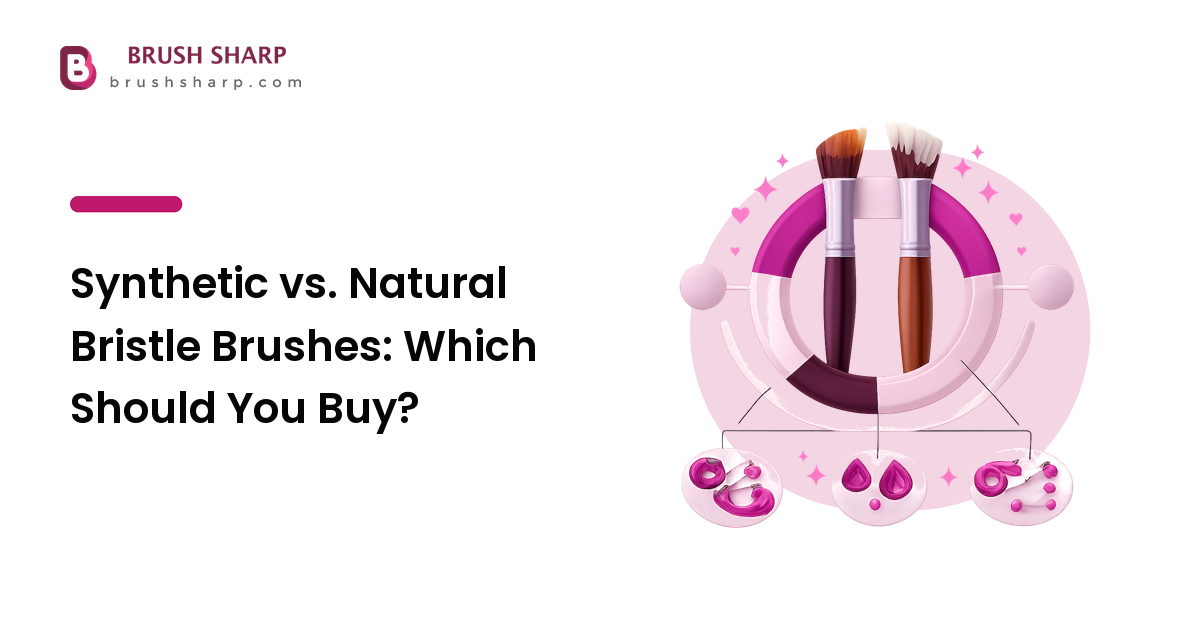
Choosing bristles: synthetic vs. natural
This is the choice that most affects your result, and it comes down to the paint you're using.
Synthetic bristles (nylon, polyester, or a blend)
Synthetic brushes are the right choice for water-based paints — latex, acrylic, and most modern wall and trim paints. The reason is physical: natural hair is porous and soaks up water, so it goes limp and loses its shape in water-based paint. Synthetic filaments don't absorb water, so they stay stiff and springy and keep a clean edge. A nylon/polyester blend is a sensible default — the polyester holds shape while the nylon stays soft enough for a smooth lay-down. Synthetics also handle the job for almost everyone, since most home paint today is water-based.
Natural bristles (animal hair)
Natural-bristle brushes shine with oil-based paints, varnishes, and stains. The hair's structure holds oil-based product well and releases it smoothly for a very fine finish, and there's no water to make it go soft. The trade-off: don't use natural bristles with water-based paint, for the limp-brush reason above. Natural brushes also cost more and need more careful cleaning.
The simple rule worth memorizing: water-based paint → synthetic; oil-based paint → natural. When in doubt, a good synthetic blend is the safer all-round buy because water-based paint is so common.
Choosing the shape and size
Shape controls precision; size controls how fast you cover ground. A few you'll actually use:
- Angled sash (the all-rounder). The bristles are cut on a slant, which gives you a fine edge for "cutting in" along trim, corners, and ceiling lines. If you buy one brush, buy this. The angle makes clean lines genuinely easier than a flat brush does.
- Flat (square-cut). A straight edge that holds a lot of paint — good for covering broad, flat areas and larger trim quickly.
- Round or pointed. Useful for detail work, furniture spindles, and getting into awkward shapes.
On size, match the brush width to the surface: a narrow brush (around 25–38 mm / 1–1.5 in) for window frames and fine trim, a medium one (around 50 mm / 2 in) for skirting, doors, and general trim, and a wider brush (63–75 mm / 2.5–3 in) for larger surfaces and furniture. A brush that's too big for the job costs you control; one too small turns a quick job into a slow one. As a rule, a brush a little narrower than the surface gives you the most control.
Technique for a clean finish
A great brush won't save bad technique. Most brush marks and streaks come from two mistakes: overloading the brush and overworking the paint. Here's the method that avoids both.
- Prep the brush. Lightly dampen a synthetic brush with water (or a natural brush with the appropriate solvent) and spin or shake out the excess. A slightly conditioned brush loads more evenly and is easier to clean afterward.
- Load lightly. Dip only the bottom third of the bristles into the paint — never the whole brush up to the ferrule. Paint driven into the ferrule is hard to clean out and ruins the brush over time. Tap (don't drag) the brush against the side of the can to knock off drips.
- Apply, then lay off. Brush the paint on where you need it, then finish with light strokes in one direction — this final pass is called "laying off," and it's what removes brush marks and evens the coat. Always lay off in the same direction (usually with the grain on wood) so the texture is consistent.
- Keep a wet edge. Work in manageable sections and blend each new stroke into paint that's still wet. If you let an edge dry and then paint over it, you get a visible overlap line. Don't go back and re-brush paint that's already starting to set — that's what causes drag marks and streaks.
- Cut in first, then fill. For walls, brush a clean band along the edges and corners before rolling the main area. Use the angled sash brush's tip and steady pressure for a sharp line.
Two coats of light, well-laid-off paint almost always beat one thick coat — thick coats sag, drip, and show marks.
A quick chooser
- Walls (water-based): synthetic angled sash for cutting in, then a roller for the field.
- Trim and doors (water-based): synthetic angled sash, around 50 mm, for control and clean lines.
- Trim, doors, or furniture (oil-based paint or varnish): natural-bristle flat or angled brush for the smoothest finish.
- Furniture and detail: a smaller flat or round brush in the bristle type that matches your paint.
FAQ
What kind of brush should I use for water-based (latex) paint?
A synthetic brush — nylon, polyester, or a blend. Natural bristles absorb water and go limp in water-based paint, so they lose their shape and leave a poor finish. Synthetics stay stiff and springy and hold a clean edge.
Are expensive paint brushes worth it?
Often, yes, for a noticeable reason: better brushes have tapered, flagged bristles and a tight ferrule, so they hold more paint, release it more evenly, and shed far less. A mid-range brush that's cared for will give a cleaner finish and outlast several cheap ones. You don't need the most expensive brush, but the cheapest throwaway ones genuinely fight you.
How do I stop my brush from leaving streaks and brush marks?
Three things: don't overload the brush (dip only the bottom third), don't overwork paint that's starting to dry, and finish each section by "laying off" — light strokes in one direction. Two thinner coats also lay flatter than one heavy one.
What is "cutting in"?
Cutting in is painting a clean band along edges, corners, and trim lines with a brush before filling the larger area with a roller. An angled sash brush makes it much easier because its slanted tip can follow a straight line precisely.
Can I use the same brush for oil-based and water-based paint?
It's better not to. The bristle type should match the paint — synthetic for water-based, natural for oil-based — and cleaning solvents differ too. Keeping separate brushes for each gives better results and longer brush life. Whichever you use, clean it promptly: solvents need ventilation and safe disposal, never down the drain.
Next step
Pick the brush that matches your next job — synthetic for water-based paint, natural for oil-based, and an angled sash if you only get one — and practice the load-light, lay-off-in-one-direction technique on a small section first. Then protect that brush so it keeps performing: our brush care guide covers cleaning, reshaping, and storage so the brush you chose well stays sharp for years.